
Burns Dressing
Burns Assessment and Dressing in Pallara
Care for Minor Burns
Burns from hot drinks, cooking, hair tools, hot surfaces and the sun are common at home and at work. Many small burns can be treated by a GP, while larger or deeper burns need hospital care. At Pallara Medical, our GPs and nursing team assess burns, clean and dress them, and arrange follow-up until they heal.
If you’re unsure how serious a burn is, it’s always worth having it checked. Children, older people and people with diabetes or other health conditions may need closer review, even for burns that look small.
First Aid Comes First
The first step for any burn is to cool it under cool running water for 20 minutes. This helps even if a little time has passed since the burn happened. Remove jewellery and clothing near the burn, unless it’s stuck to the skin.
Don’t use ice, butter, toothpaste or creams. After cooling, cover the burn loosely with plastic cling wrap or a clean, non-stick dressing. Call 000 or go to an emergency department for burns that are large or deep, burns to the face, hands, feet or genitals, electrical or chemical burns, or if the person has trouble breathing.
What Happens at Your Appointment
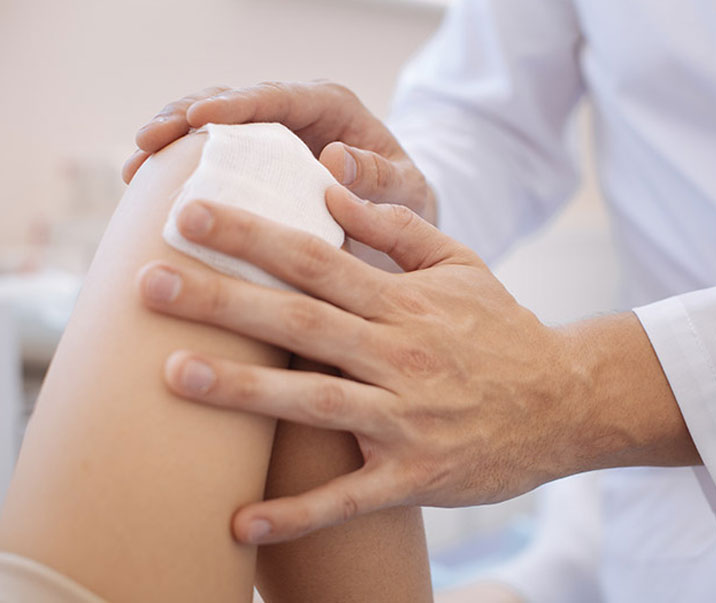
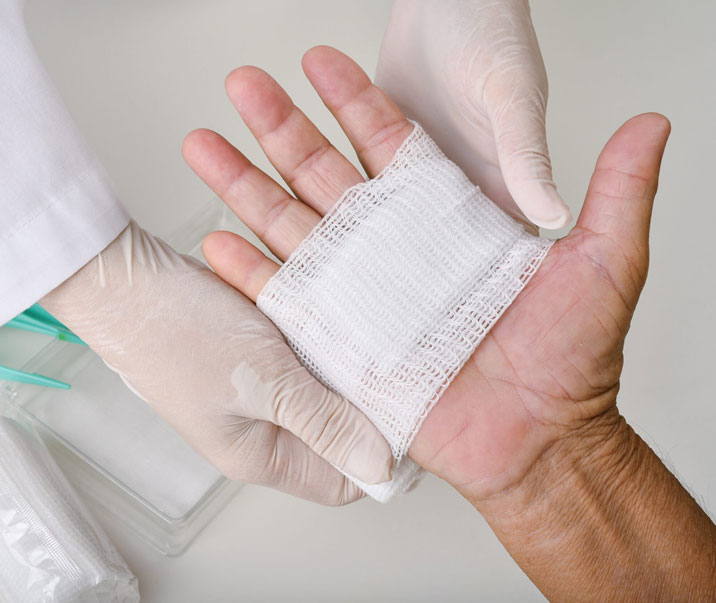
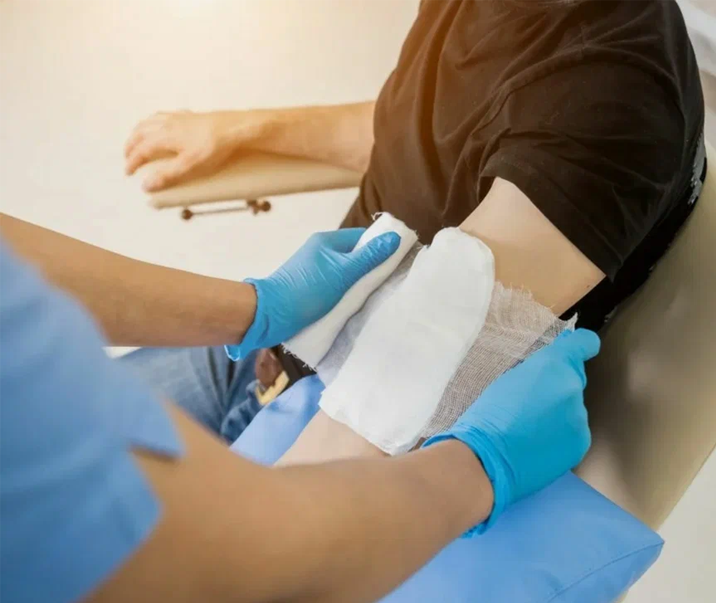
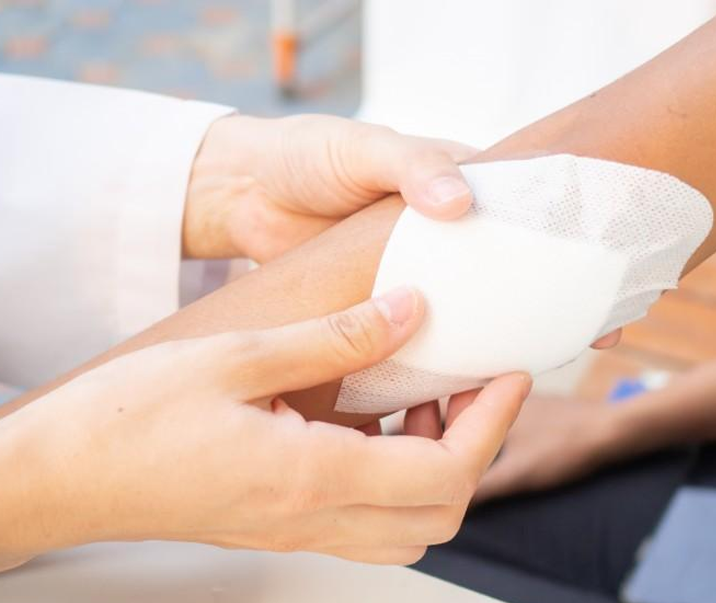
Your GP will ask how the burn happened, check its size and depth, and look for signs of infection. The area is gently cleaned and covered with a dressing chosen to protect the wound and keep it moist while it heals.
Your GP may also check whether your tetanus vaccination is up to date and talk with you about pain relief. If the burn needs specialist care, your GP can arrange a referral. See wound dressings for other types of wounds.
Dressing Changes and Healing
Most burns need their dressings checked or changed every few days. Your GP will tell you when to come back and how to keep the dressing clean and dry between visits.
Contact the clinic if the pain gets worse, or if you notice increasing redness, swelling, a bad smell, pus or a fever, as these can be signs of infection. Once the burn has healed, moisturising the new skin and protecting it from the sun can help the scar settle over the following months.
Preventing Burns at Home
Many burns happen in the kitchen or bathroom, and young children are especially at risk. Keeping hot drinks out of reach, turning saucepan handles inward, using a back burner where possible and checking bath water temperature before children get in can all help prevent scalds.
Setting your hot water system to a safe temperature, keeping matches and lighters away from children, and having a working smoke alarm are also important. Sunburn is a burn too, so wear sun protection and avoid the sun in the middle of the day.
If a burn does happen, remember the first aid steps: cool running water for 20 minutes, cover the burn, and seek medical care when needed.
Keep a first aid kit at home with non-stick dressings and cling wrap so you’re prepared.
Common Questions
How long should I cool a burn?
Under cool running water for 20 minutes.
Should I pop a blister?
No. Leave blisters intact and have the burn checked by a GP.
When is a burn an emergency?
Call 000 for large or deep burns, burns to the face, hands, feet or genitals, electrical or chemical burns, or breathing problems.
Do I need a tetanus shot for a burn?
Possibly. Your GP will check when you last had a tetanus vaccine and advise whether you need a booster.
How long do minor burns take to heal?
Many minor burns heal within two to three weeks. Your GP will monitor healing at each dressing change.
Our Services
We're Committed to Your Health and Wellbeing

Receive comprehensive contraceptive advice & services, including various pill options, tailored to your needs.

Get professional dressing services for all your needs, from wound care & post-surgical dressings to injury management.

Get support throughout your pregnancy journey with our maternity care services, from early check-ups to antenatal care.

Get the medical assessment you need for your Taxi or Uber License requirements.

We offer prompt referrals to a wide range of specialists & imaging services, such as X-rays, & MRIs.

Our clinic performs various minor surgical procedures on-site, including convenient skin lesion removals & biopsies.

We conduct routine & pre-employment urine & drug testing, ensuring compliance with workplace requirements.

Get protected with a full range of vaccinations available for all age groups, including essential travel vaccines & flu shots.
Our Team
Our dedicated doctors,
nurses and healthcare practitioners
Pallara Medical takes pride in its roster of local healthcare practitioners. We partner with you to achieve good health outcomes. Our doctors and friendly staff are always ready to help with your needs.