

Flu Vaccination
Flu Vaccination in Pallara
Why Get a Flu Vaccine Every Year
Influenza is more than a bad cold. It can cause high fevers, body aches and extreme tiredness, and for some people it leads to pneumonia or a hospital stay. The flu vaccine is recommended for everyone aged six months and over.
Flu viruses change from year to year, so a new vaccine is made each season to match the strains expected to circulate. That’s why a yearly vaccine is recommended, even if you had one last year. At Pallara Medical, our GPs and nurses give flu vaccines to children and adults.
Timing
When to Get Vaccinated
In Queensland, flu season usually peaks between June and September. Getting vaccinated from autumn, when the new season’s vaccine becomes available, gives your body time to build protection, which takes about two weeks.
It’s still worthwhile getting vaccinated later in the year if you missed out. Children under nine having a flu vaccine for the first time need two doses, four weeks apart. Pregnant women can have the flu vaccine at any stage of pregnancy.


Who Is Funded Under the National Immunisation Program
The flu vaccine is funded under the National Immunisation Program for people at higher risk, including children aged six months to under five years, pregnant women, people aged 65 and over, Aboriginal and Torres Strait Islander people from six months of age, and people with certain medical conditions.
If you’re not in one of these groups, a fee may apply for the vaccine. Ask reception about current costs when you book. Children under 16 and pensioners are bulk billed for the consultation.
On the Day of Your Vaccine
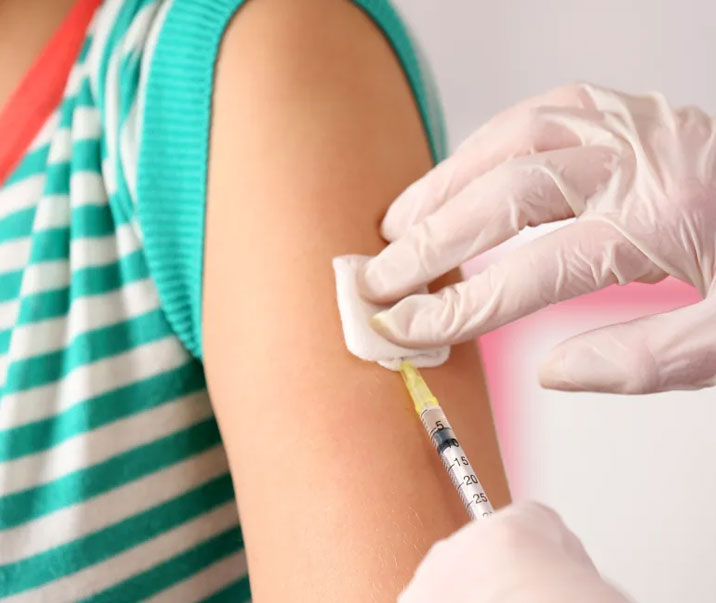
Let us know if you’re unwell, have had a reaction to a vaccine before, or have any allergies. Your GP or nurse will check you’re well enough to have the vaccine, then give the injection in your upper arm.
We ask you to wait at the clinic for 15 minutes afterwards. Mild side effects such as a sore arm, tiredness or a low fever can occur for a day or two. Your vaccination is recorded on the Australian Immunisation Register. For other vaccines, see our vaccinations page.
Protecting People Around You
Being vaccinated helps protect the people around you as well as yourself. This matters most for babies too young to be vaccinated, older relatives and people with weakened immune systems, who are more likely to become seriously ill with the flu.
If you work with children, older people or in healthcare, your workplace may ask you to have a flu vaccine each year. Your GP can provide a record of your vaccination if you need one.
If you do catch the flu, stay home, rest and drink plenty of fluids. See your GP if you’re in a higher-risk group or your symptoms are getting worse, and call 000 if you have trouble breathing or chest pain.
Washing your hands regularly and covering coughs and sneezes also help reduce the spread of flu.

Common Questions
Can the flu vaccine give me the flu?
No. The vaccine can’t give you the flu, although some people feel a little unwell for a day or two.
Can I have the flu vaccine while pregnant?
Yes. It’s recommended at any stage of pregnancy.
How long does protection take?
About two weeks after vaccination.
Can my child have the flu vaccine?
Yes. Children from six months of age can have the flu vaccine, and those under nine need two doses the first time.
Can I have the flu vaccine with other vaccines?
Usually, yes. Your GP will check which vaccines can be given at the same visit.
Our Services
We're Committed to Your Health and Wellbeing

Receive comprehensive contraceptive advice & services, including various pill options, tailored to your needs.

Get professional dressing services for all your needs, from wound care & post-surgical dressings to injury management.

Get support throughout your pregnancy journey with our maternity care services, from early check-ups to antenatal care.

Get the medical assessment you need for your Taxi or Uber License requirements.

We offer prompt referrals to a wide range of specialists & imaging services, such as X-rays, & MRIs.

Our clinic performs various minor surgical procedures on-site, including convenient skin lesion removals & biopsies.

We conduct routine & pre-employment urine & drug testing, ensuring compliance with workplace requirements.

Get protected with a full range of vaccinations available for all age groups, including essential travel vaccines & flu shots.
Our Team
Our dedicated doctors,
nurses and healthcare practitioners
Pallara Medical takes pride in its roster of local healthcare practitioners. We partner with you to achieve good health outcomes. Our doctors and friendly staff are always ready to help with your needs.