
Urine Testing
Urine Testing for Diabetes in Pallara
What a Urine Test Can Show
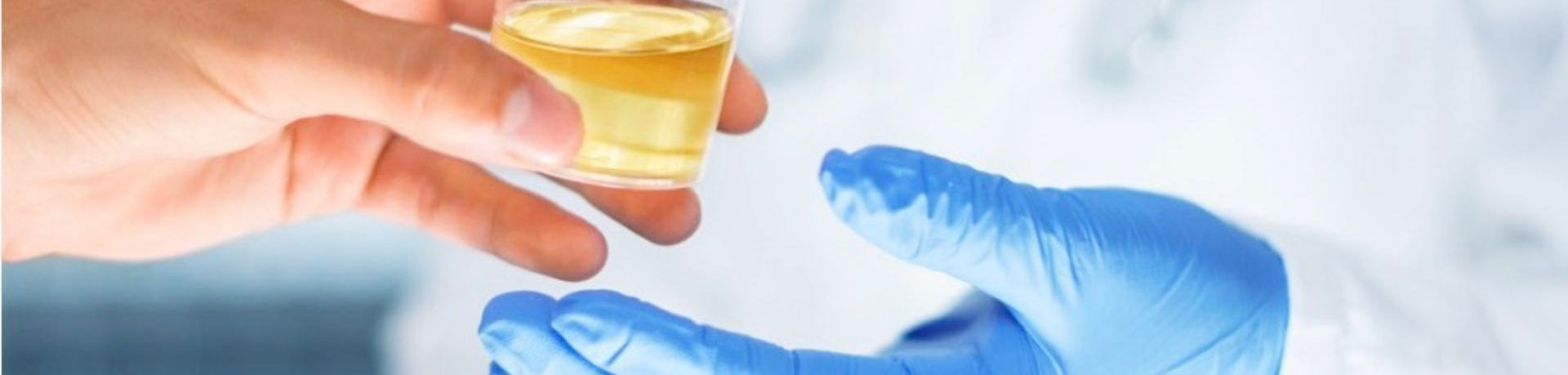
A urine test is a simple way for your GP to check several aspects of your health. Depending on the test, it can look for glucose (sugar), ketones, protein, blood and signs of infection. At Pallara Medical, urine tests are often used as part of diabetes care and general health checks, alongside blood tests and a physical examination.
Urine tests are quick and simple. Your GP will explain which test you need, why it’s being done and how you’ll receive your results. This page is about health testing. If you need a test for work, see our urine drug testing page instead.
Diabetes Testing
Urine Tests and Diabetes
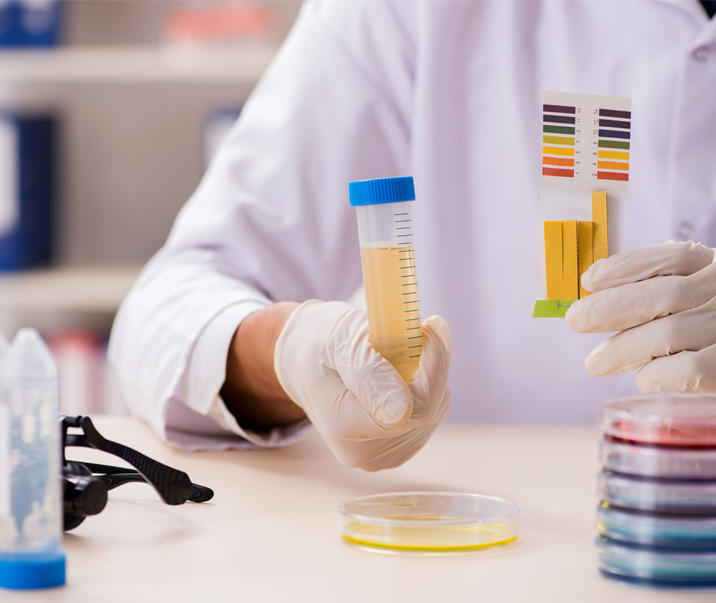
Glucose in the urine can be a sign that blood sugar levels are higher than they should be. Ketones in the urine can also be important for people with diabetes, especially when they are unwell. However, a urine test on its own can’t diagnose diabetes.
If your GP suspects diabetes, they will usually arrange blood tests, such as a fasting glucose test or an HbA1c test, which shows your average blood sugar over the past few months. If you already have diabetes, urine and blood tests help your GP see how well your treatment plan is working and whether anything needs to change.
Checking Your Kidneys
Diabetes can affect the kidneys over time, often without causing symptoms in the early stages. One of the main checks is a urine test called the albumin-to-creatinine ratio, or ACR, which looks for small amounts of protein leaking into the urine.
Your GP will usually pair this with a blood test that estimates how well your kidneys are filtering. For most people with diabetes, these kidney checks are recommended at least once a year. Finding changes early gives you and your GP more options, such as adjusting medications, managing blood pressure and reviewing your diet.
Giving a Sample and Getting Results
Your GP or nurse will give you a sterile container and explain how to collect the sample. For some tests, a mid-stream sample is needed, and for others a first-morning sample gives more accurate results. Follow the instructions you’re given and let us know if you’re unsure.
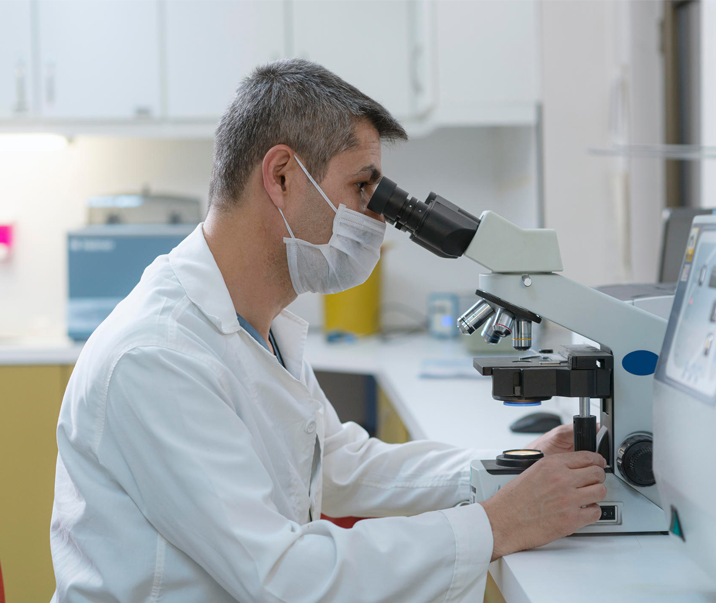
Some quick checks can be done in the clinic, while other samples are sent to a pathology laboratory. Results are sent to your GP, who will go through them with you at a follow-up appointment. If you have diabetes, your results can also be included in your chronic disease care plan.
Living Well With Diabetes
Regular testing is one part of looking after diabetes. Your GP can also help with blood pressure and cholesterol checks, foot checks, eye check referrals and medication reviews. Many people find it helpful to have a written care plan that sets out which tests are due and when.
Your GP can refer you to a dietitian, diabetes educator or podiatrist where appropriate, and coordinate your care with any specialists you see.
Keeping a record of your results over time can help you see how your health is tracking between visits.
Common Questions
Do I need to fast for a urine test?
Usually not. Some blood tests need fasting, so your GP will tell you if any preparation is needed.
How often should my kidneys be checked if I have diabetes?
Most people with diabetes have kidney checks at least once a year. Your GP will advise what suits you.
Is this the same as a workplace drug test?
No. Workplace drug testing is a separate service. See our urine drug testing page.
Can I drop off a sample without an appointment?
Please speak with reception first. Your GP needs to request the right test so the laboratory knows what to check.
Our Services
We're Committed to Your Health and Wellbeing

Receive comprehensive contraceptive advice & services, including various pill options, tailored to your needs.

Get professional dressing services for all your needs, from wound care & post-surgical dressings to injury management.

Get support throughout your pregnancy journey with our maternity care services, from early check-ups to antenatal care.

Get the medical assessment you need for your Taxi or Uber License requirements.

We offer prompt referrals to a wide range of specialists & imaging services, such as X-rays, & MRIs.

Our clinic performs various minor surgical procedures on-site, including convenient skin lesion removals & biopsies.

We conduct routine & pre-employment urine & drug testing, ensuring compliance with workplace requirements.

Get protected with a full range of vaccinations available for all age groups, including essential travel vaccines & flu shots.
Our Team
Our dedicated doctors,
nurses and healthcare practitioners
Pallara Medical takes pride in its roster of local healthcare practitioners. We partner with you to achieve good health outcomes. Our doctors and friendly staff are always ready to help with your needs.